Unlocking the Potential of Internet of Things with Data Middleware in US Universities
Category : | Sub Category : IoT-Enhanced Home Energy Management Posted on 2023-10-30 21:24:53
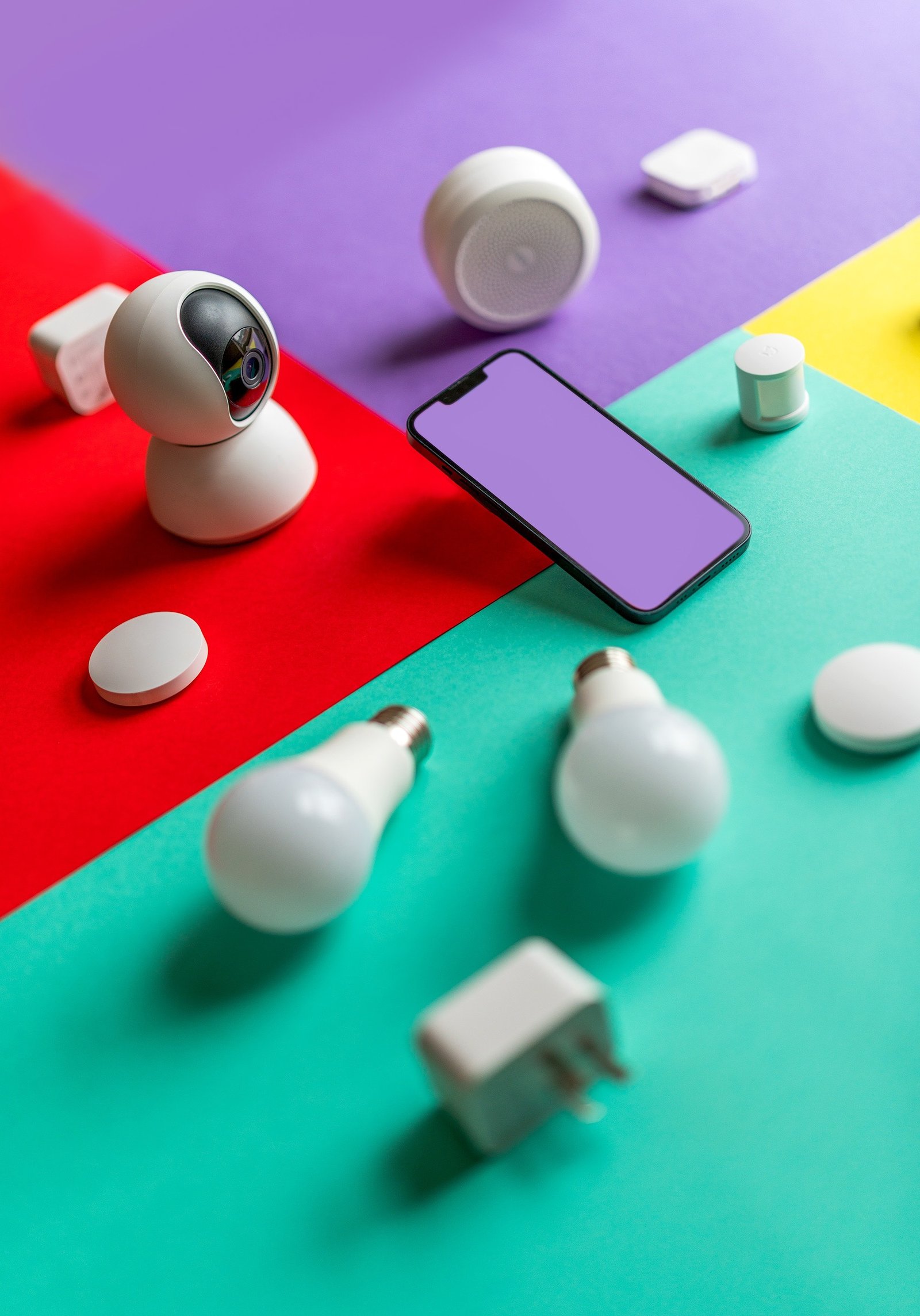
Introduction: The Internet of Things (IoT) has revolutionized the way we interact with everyday objects and devices. From smart homes to connected cars, IoT technology has paved the way for a more interconnected and efficient future. As the demand for IoT solutions grows, so does the need for effective data management. This is where data middleware comes into play, providing a crucial link between IoT devices and the applications that harness their data. In this blog post, we will explore how US universities are paving the way in studying and implementing data middleware for the Internet of Things. Understanding Data Middleware for IoT: Data middleware acts as a bridge between IoT devices and the applications that rely on the data collected from these devices. It facilitates seamless communication, data normalization, and integration, ensuring that data can be easily processed and utilized by various applications. By leveraging data middleware, IoT systems can overcome the challenges associated with data volume, variety, and velocity, enabling real-time decision-making and analysis. US Universities Leading the Way: US universities have long been at the forefront of technological advancements, and the study of data middleware for IoT is no exception. Several top-tier universities across the country have dedicated research groups and initiatives focused on exploring and developing data middleware solutions for IoT applications. 1. Carnegie Mellon University: Renowned for its expertise in data management systems, Carnegie Mellon University actively engages in research related to IoT data middleware. Their projects include developing scalable data management frameworks, stream processing systems, and new data models to handle IoT data efficiently. 2. Massachusetts Institute of Technology (MIT): MIT's Computer Science and Artificial Intelligence Laboratory (CSAIL) conducts extensive research on IoT data management. Their work focuses on building middleware solutions that facilitate data integration, interoperability, and security in IoT ecosystems. 3. University of California, Berkeley: The Electrical Engineering and Computer Sciences department at UC Berkeley explores various aspects of IoT data middleware, including data storage, real-time analytics, and event-driven architectures. Their research aims to address the challenges of handling heterogeneous data from a multitude of IoT devices. Benefits and Opportunities: The implementation of robust data middleware solutions in IoT systems offers numerous benefits and opportunities for various industries: 1. Improved Operational Efficiency: Data middleware enables seamless integration and processing of data generated by IoT devices, allowing businesses to make timely and informed decisions to optimize operations and resource allocation. 2. Enhanced Real-Time Analytics: By enabling real-time data processing and analysis, data middleware empowers organizations to derive valuable insights and make data-driven decisions instantly. This is particularly beneficial in critical applications such as healthcare, transportation, and energy management. 3. Standardization and Interoperability: Data middleware plays a crucial role in ensuring compatibility and interoperability across diverse IoT devices, reducing complexities and fragmentation in systems, resulting in better collaboration and integration. Conclusion: The study of data middleware for IoT in US universities is driving innovation in the field and unlocking the true potential of the Internet of Things. The efforts of research groups and initiatives are paving the way for scalable, efficient, and secure data management solutions that have far-reaching implications for a wide range of industries. As the demand for IoT technology continues to grow, the importance of data middleware will only continue to rise, making it a crucial area of study that will shape the future of interconnected devices and systems. also don't miss more information at http://www.uncweb.com