Exploring the Urdu Wireless IoT Technologies: LoRa and Zigbee
Category : | Sub Category : IoT-Enhanced Home Energy Management Posted on 2023-10-30 21:24:53
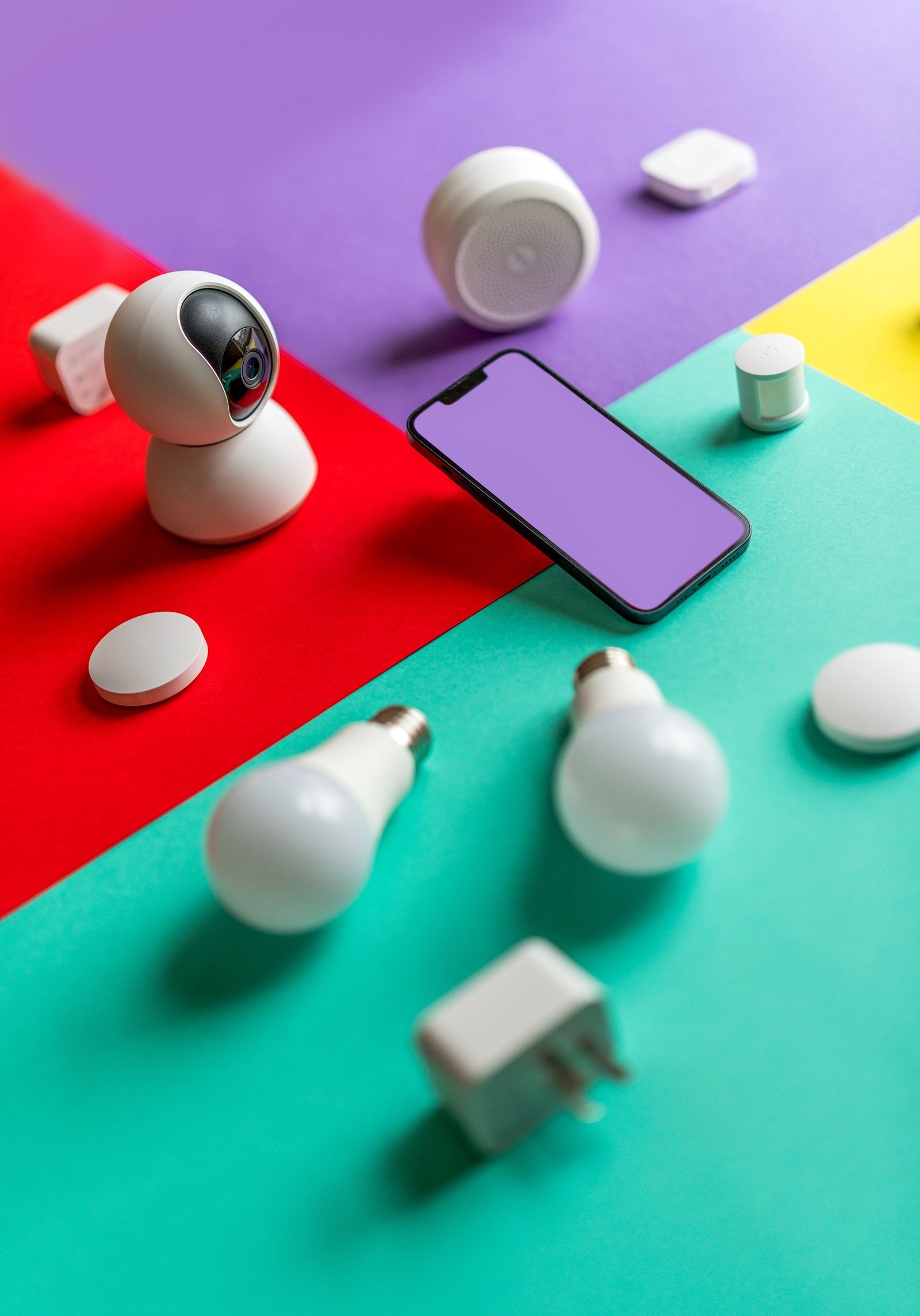
Introduction: The world of technology is rapidly advancing, and so are the possibilities it offers in terms of connectivity and communication. One such area that has gained significant attention is the use of wireless IoT (Internet of Things) technologies. In this blog post, we will explore two widely used wireless IoT technologies, LoRa and Zigbee, specifically in the context of Urdu. Understanding Wireless IoT Technologies: IoT refers to the concept of connecting everyday objects to the internet, allowing them to collect and exchange data. Wireless IoT technologies play a crucial role in facilitating this connectivity. LoRa (Long Range) and Zigbee are two popular wireless IoT technologies that offer unique features and benefits. LoRa in Urdu: LoRa is a wireless communication technology specifically designed for long-range, low-power applications. It operates in the unlicensed frequency bands, making it a cost-effective and versatile solution. In Urdu, LoRa can enable various applications, such as smart agriculture, smart cities, and industrial automation. For instance, LoRa-based sensors can collect data on soil moisture in Urdu-speaking regions, helping farmers optimize irrigation. Additionally, LoRa can be used for smart metering and asset tracking applications, providing valuable insights for businesses and consumers in Urdu-speaking communities. Zigbee in Urdu: Zigbee is another wireless IoT technology that focuses on low-power, low-data-rate applications. It operates on a mesh network topology, enabling devices to communicate with each other efficiently. In Urdu, Zigbee can power smart homes and assistive technologies, making them more accessible to Urdu-speaking individuals. For example, Zigbee-based smart home systems can automate lighting, temperature control, and security, all managed through Urdu-language interfaces. Moreover, Zigbee's low-power consumption makes it ideal for healthcare applications, such as remote patient monitoring, in Urdu-speaking regions. Benefits of LoRa and Zigbee in Urdu: Both LoRa and Zigbee offer some unique advantages when implemented in Urdu-speaking communities. These include: 1. Long-range communication: LoRa's extended range capabilities and Zigbee's mesh network topology enable connectivity in areas with limited infrastructure, ensuring a wider reach for IoT applications in Urdu-speaking regions. 2. Cost efficiency: Both technologies operate on widely available, unlicensed frequency bands, eliminating the need for expensive infrastructure. This affordability makes them viable options for IoT deployments in Urdu communities. 3. Power efficiency: LoRa and Zigbee devices consume minimal power, resulting in longer battery life. This is particularly beneficial in areas with limited access to electricity, allowing Urdu-speaking users to deploy IoT devices without worrying about frequent battery replacements. Conclusion: Wireless IoT technologies such as LoRa and Zigbee have the potential to transform Urdu-speaking communities by enabling them to benefit from smart applications and services. These technologies offer cost-effective connectivity options, long-range capabilities, and power efficiency, making them suitable for a range of IoT applications in various industries. As the demand for IoT solutions grows in Urdu-speaking regions, the adoption of wireless IoT technologies will play a crucial role in driving digital transformation and improving the quality of life for individuals and businesses alike. For a closer look, don't forget to read http://www.uurdu.com