Exploring the Intersection of Laptops and Cloud IoT Platforms
Category : | Sub Category : IoT-Enhanced Home Energy Management Posted on 2023-10-30 21:24:53
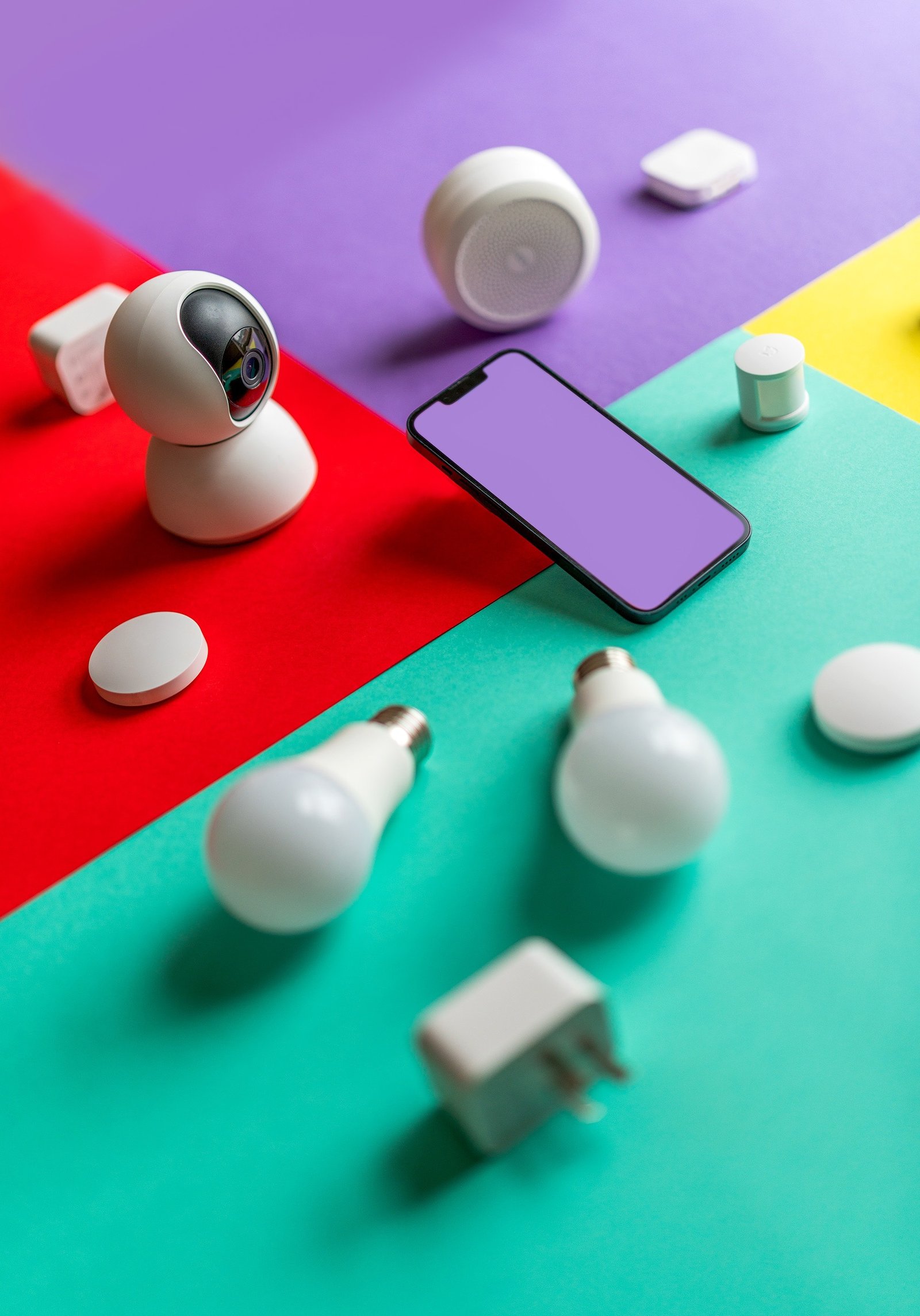
Introduction In today's digital age, the interconnectedness of devices is becoming more prominent, and the Internet of Things (IoT) has taken the technology landscape by storm. As IoT continues to advance, the need for efficient, powerful devices to connect to cloud IoT platforms becomes crucial. In this blog post, we will delve into the world of laptops and their role in harnessing the potential of cloud IoT platforms. The Rise of Cloud IoT Platforms Cloud IoT platforms are frameworks that enable the connection and management of IoT devices through cloud-based services. These platforms provide the infrastructure necessary for devices to collect, store, analyze, and transmit data securely. The popularity of cloud IoT platforms stems from their ability to streamline and automate data processing, making it easier for businesses and individuals to leverage the power of the IoT. The Role of Laptops in Cloud IoT Platforms Laptops play a pivotal role in the connectivity and management of IoT devices through cloud IoT platforms. Their portability and processing power make them an ideal choice for interfacing with IoT devices and cloud services. Let's take a closer look at how laptops contribute to the smooth functioning of cloud IoT platforms: 1. Device Configuration and Management: Laptops provide a user-friendly interface for configuring and managing IoT devices connected to cloud platforms. With a laptop, it's easy to set up and monitor devices, adjust settings, and troubleshoot any issues that may arise. 2. Data Analytics and Visualization: Cloud IoT platforms generate massive amounts of data that requires analysis and interpretation. Laptops, equipped with powerful processors and advanced software, can handle the complex task of crunching numbers, running analytics algorithms, and visualizing data in a meaningful way. 3. Real-Time Monitoring and Control: Through cloud IoT platforms, laptops can provide real-time monitoring and control of IoT devices. Whether it's industrial equipment, smart home appliances, or wearable devices, laptops can act as a central hub, allowing users to remotely monitor, track, and control operations from anywhere. 4. Application Development: Laptops serve as development environments for creating applications that interface with cloud IoT platforms. With integrated development environments (IDEs) and a plethora of programming languages, developers can write, test, and deploy applications that interact seamlessly with IoT devices and cloud services. Benefits and Challenges While laptops offer numerous advantages in harnessing the capabilities of cloud IoT platforms, there are also challenges that must be addressed: 1. Power Consumption: Laptops are power-hungry devices that require a constant source of electricity. Addressing power consumption challenges becomes vital, especially in remote or battery-powered IoT applications. 2. Connectivity: Laptops rely on stable internet connections to interface with cloud IoT platforms effectively. Uneven or intermittent internet connectivity could hamper the smooth functioning of IoT systems. 3. Security: As laptops serve as the gateway to the cloud IoT platforms, it is crucial to implement robust security measures to safeguard the data and privacy of both the devices and users involved. Conclusion The convergence of laptops and cloud IoT platforms opens up a world of possibilities for businesses and individuals alike. Laptops empower users to configure, manage, and analyze data from IoT devices in real-time, driving innovation and efficiency. However, it is essential to tackle challenges related to power consumption, connectivity, and security to ensure a seamless and secure experience. As technology continues to evolve, the symbiotic relationship between laptops and cloud IoT platforms will only grow stronger, facilitating a smarter, interconnected future. also this link is for more information http://www.wootalyzer.com