Advancing Healthcare with Video Recognition in the Internet of Things
Category : | Sub Category : IoT-Enhanced Home Energy Management Posted on 2023-10-30 21:24:53
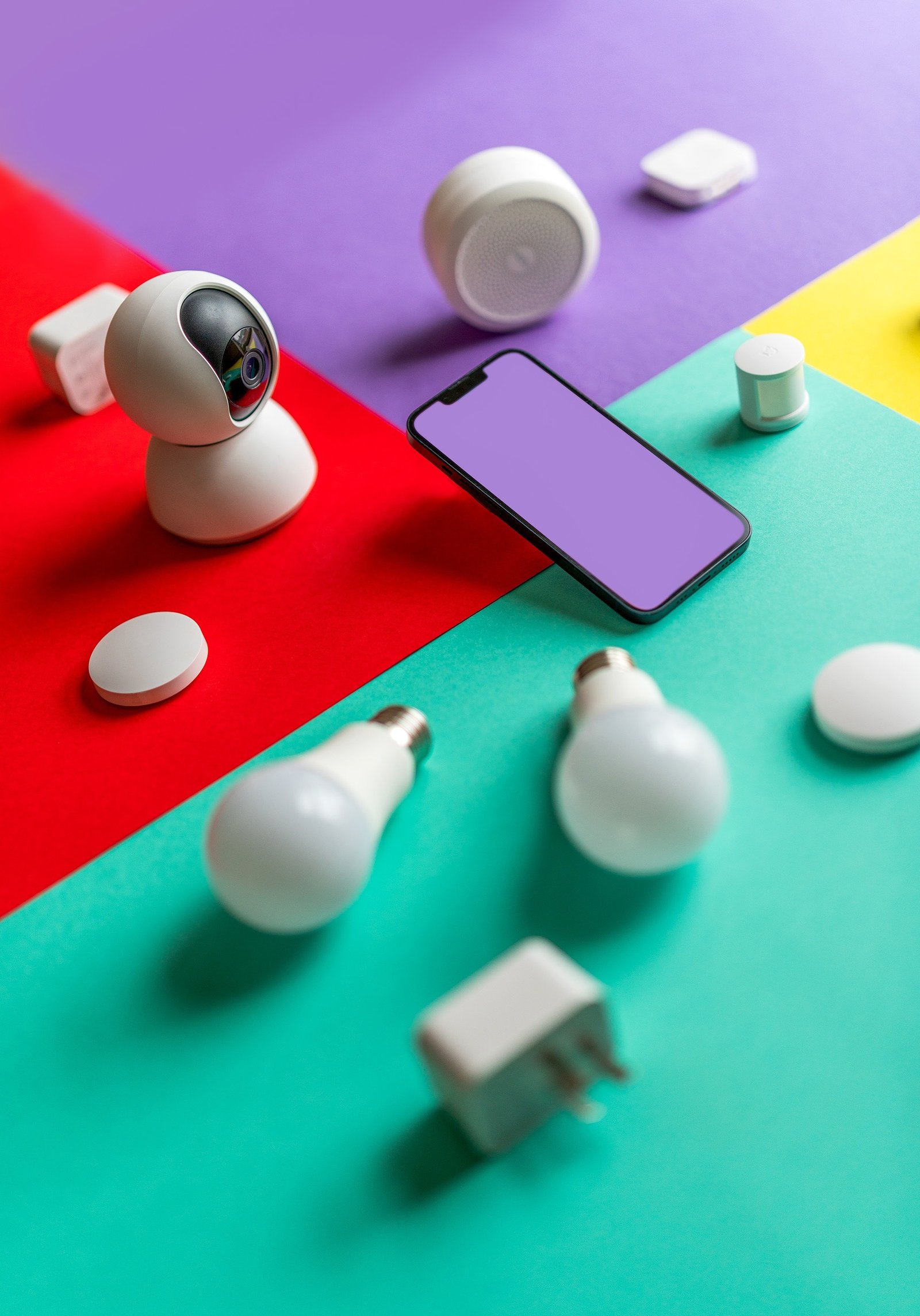
Introduction: In recent years, the Internet of Things (IoT) has revolutionized many industries, including healthcare. The integration of video recognition technology into IoT devices has enabled the development of innovative solutions that have the potential to greatly enhance healthcare services. In this blog post, we will explore the role of video recognition in the realm of healthcare and discuss the benefits it offers to both patients and practitioners. 1. Remote Patient Monitoring: Video recognition in IoT devices allows for remote patient monitoring, enabling healthcare providers to monitor patients in real-time without the need for physical presence. With the increasing prevalence of chronic diseases and an aging population, this technology has the potential to significantly improve the quality of care for patients. By utilizing video recognition, IoT devices can capture vital signs, track movement patterns, and even detect abnormalities in a patient's behavior. This data can be transmitted to healthcare professionals who can analyze it remotely, allowing for timely interventions and personalized care plans. 2. Enhanced Diagnosis and Treatment: Video recognition technology can assist healthcare practitioners in the diagnosis and treatment of various medical conditions. For example, facial recognition algorithms can analyze a patient's facial expressions and gestures to detect signs of pain or discomfort. This can be especially useful in situations where patients are unable to effectively communicate their symptoms, such as infants or patients with communication disabilities. Additionally, video recognition can enable more accurate and personalized treatment plans. By monitoring patients' movements and analyzing their physical activity, IoT devices can provide valuable insights into their progress during rehabilitation programs, allowing for adjustments to be made in real-time. 3. Improved Safety and Security: Video recognition in IoT devices can contribute to enhanced safety and security in healthcare settings. By deploying video surveillance systems coupled with facial recognition technology, hospitals and clinics can ensure only authorized personnel have access to restricted areas. Furthermore, this technology can help identify potential security threats and prevent unauthorized access to patient information and medical supplies. 4. Preventive Healthcare: Video recognition technology in IoT devices can also play a role in preventive healthcare. By monitoring patterns in sleep, physical activity, and even dietary habits, healthcare providers can offer personalized recommendations to patients to help them make informed choices that positively impact their overall health and well-being. Video recognition algorithms can also aid in monitoring medication adherence by tracking a patient's consumption habits. Conclusion: Video recognition in the Internet of Things is revolutionizing healthcare by enabling remote patient monitoring, enhancing diagnosis and treatment, improving safety and security, and promoting preventive healthcare. As this technology continues to advance, we can expect to see even more innovative applications in healthcare settings. By harnessing the power of video recognition and IoT, healthcare providers can improve patient outcomes, optimize resource allocation, and deliver more personalized and efficient care. If you are interested you can check the following website http://www.doctorregister.com For a different take on this issue, see http://www.tinyfed.com For a different angle, consider what the following has to say. http://www.natclar.com You can also check following website for more information about this subject: http://www.qqhbo.com