Exploring the Impact of Chinese Language in the Internet of Things: MEMS Sensors and Applications
Category : | Sub Category : IoT-Enhanced Home Energy Management Posted on 2023-10-30 21:24:53
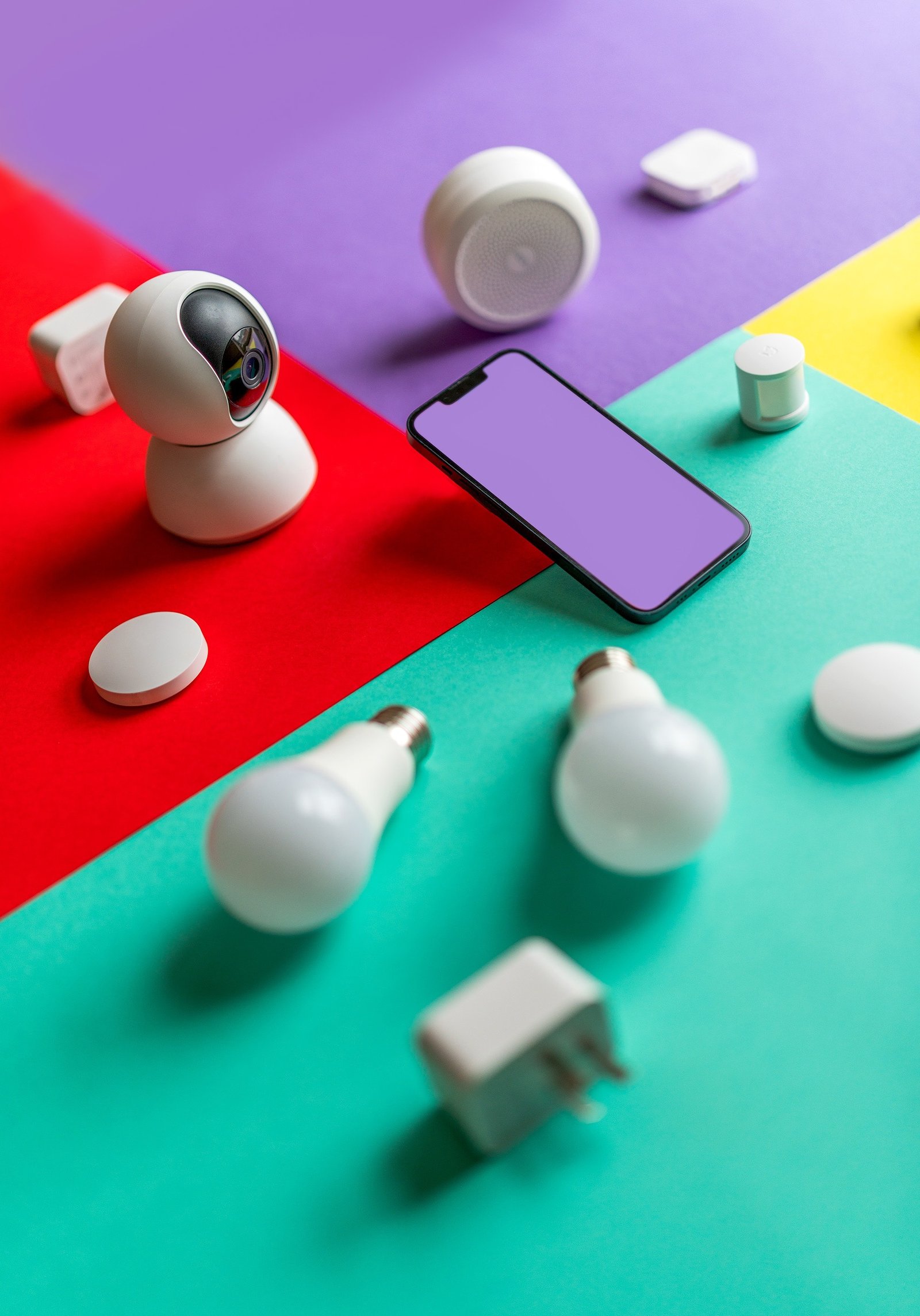
Introduction: In the ever-expanding world of technology, the Internet of Things (IoT) has emerged as a game-changer. It involves integrating physical devices, vehicles, buildings, and other objects through the use of sensors, software, and network connectivity to enable data exchange and automation. As the Chinese language continues to dominate the global market, its influence is felt in every facet of technology, including MEMS sensors and their applications in the IoT landscape. In this blog post, we explore the impact of the Chinese language on the development and deployment of MEMS sensors in IoT applications. 1. Chinese Language: A Global Powerhouse: With over 1.4 billion native speakers, the Chinese language commands a massive global presence. China, as the world's largest consumer and producer of technology, holds a significant stake in the IoT industry. Its language dominance gives Chinese companies and developers an added advantage in terms of innovation, manufacturing capabilities, and market access. 2. MEMS Sensors: A Foundation of IoT: Micro-Electro-Mechanical Systems (MEMS) sensors form the backbone of the IoT ecosystem. These tiny sensors, typically constructed on silicon substrates, are capable of measuring and detecting various physical parameters such as temperature, pressure, acceleration, and motion. Their small form factor and low power consumption make them ideal for IoT applications. 3. Chinese Innovations in MEMS Sensor Technologies: Chinese companies, driven by a robust R&D landscape and government support, have made significant strides in the development and commercialization of MEMS sensors. These companies leverage the Chinese language advantage to tap into the local market and establish a strong foothold globally. Their innovations span various industries, including healthcare, agriculture, transportation, and home automation. 4. IoT Applications: Empowering a Connected Future: The integration of MEMS sensors into IoT applications has transformative effects across different sectors. For instance, in healthcare, IoT-enabled devices equipped with MEMS sensors can monitor vital signs remotely, enabling timely interventions and reducing healthcare costs. In agriculture, sensors embedded in soil can provide real-time data on moisture levels, optimizing irrigation and enhancing crop yields. Similarly, in transportation, MEMS sensors play a vital role in making vehicles safer and more efficient. 5. Overcoming Challenges: While the Chinese language opens doors to numerous opportunities, it also brings challenges, particularly in terms of interoperability and standardization. As the IoT landscape becomes more globally interconnected, efforts are being made to ensure seamless communication and compatibility among devices, regardless of their native language. 6. Collaboration: Paving the Way for Future Advancements: To overcome language barriers and foster innovation, collaboration between Chinese and non-Chinese stakeholders has become increasingly crucial. Global partnerships allow for the exchange of knowledge, expertise, and resources, ultimately driving the development of groundbreaking IoT solutions. Conclusion: The Chinese language's influence on the Internet of Things, particularly in the realm of MEMS sensors and applications, cannot be understated. Chinese companies' expertise and innovation in this field are contributing to a connected world, enabling advancements in various sectors. Collaboration and standardization efforts will further enhance the interoperability and scalability of IoT systems globally. As the Chinese language continues to thrive, its impact on the IoT landscape will only grow stronger, shaping the future of technology on a global scale. also this link is for more information http://www.soitsyou.com For a different take on this issue, see http://www.stguru.com